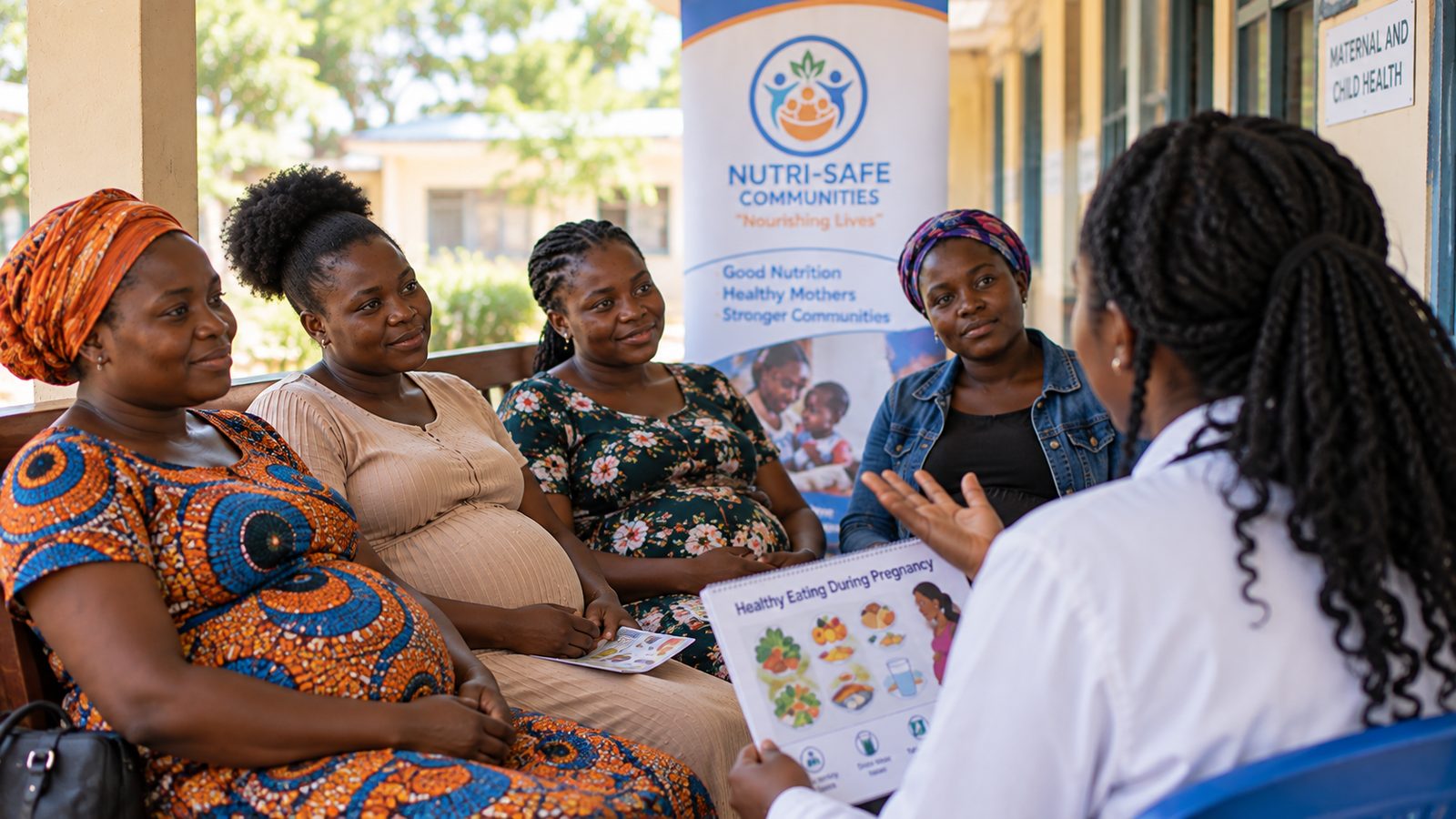
Women Hold the Keys to Household Nutrition
In many Ugandan households, women decide what is cooked, how water is managed, and whether a child eats first. Empowering women is not optional — it is how food security and WASH improvements take root.
Women Empowerment Initiatives equip groups with skills, savings pathways, and leadership space so nutrition decisions are informed, collective, and lasting.
Food Security With Dignity
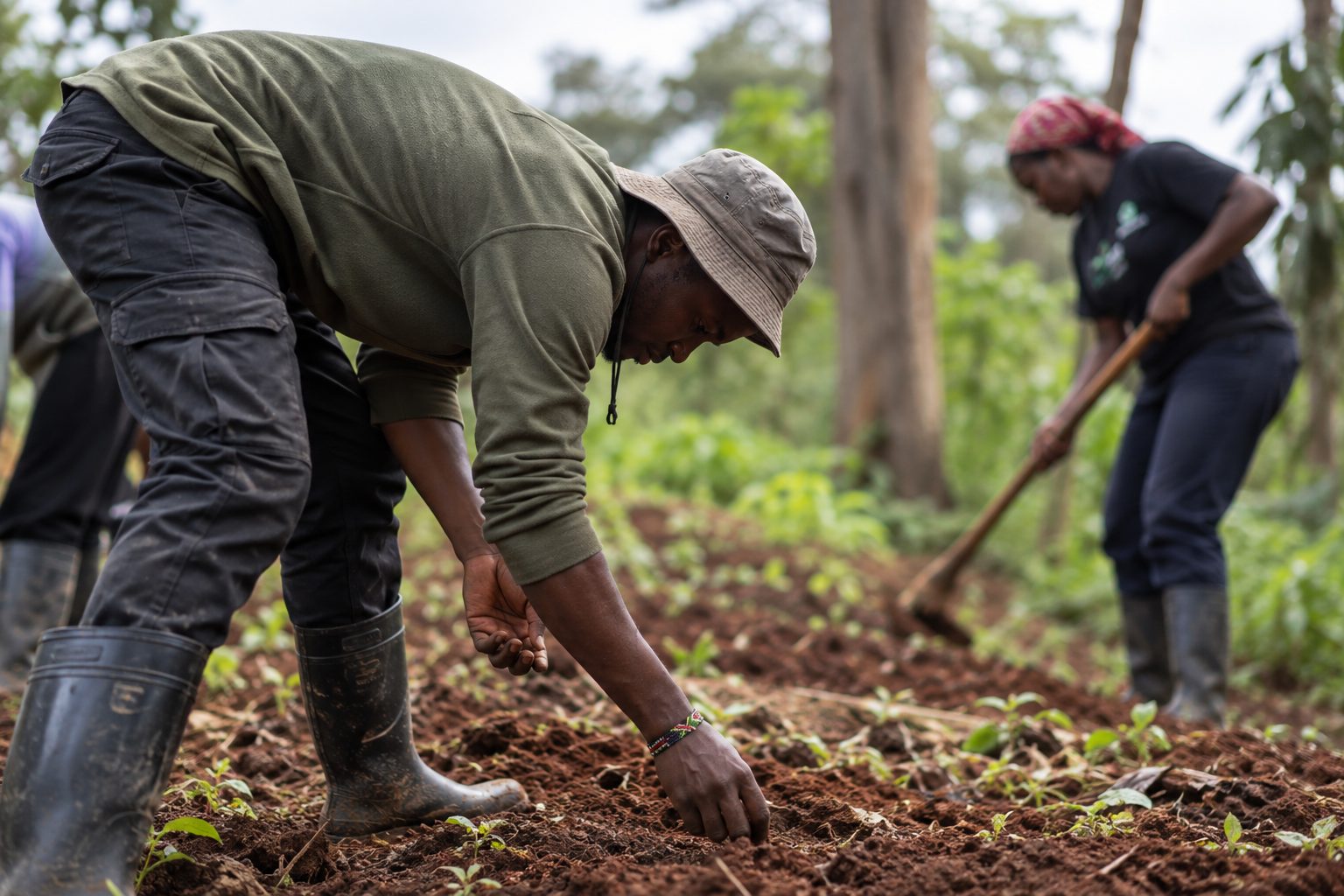
Training covers kitchen gardens, storage, and market choices that stretch limited incomes toward nutritious meals. Women share techniques peer-to-peer, multiplying what a single workshop can do.
When women lead food plans, households waste less, diversify more, and buffer lean seasons with practical reserves — not just hope.
WASH as Nutrition’s Partner
Safe water, sanitation, and hygiene protect the gains of better diets. Contaminated water and poor hygiene undo meals; WASH literacy keeps nutrition investments from leaking away.
Nutri-Safe integrates WASH messaging into women’s groups so clean hands, safe storage, and latrine use sit beside cooking demos — one coherent practice of care.
Economic Power, Healthier Tables
Economic empowerment — savings circles, small enterprise skills, market access — gives women leverage to buy diverse foods and refuse trade-offs that starve children of nutrients.
Equity is a core Nutri-Safe value: inclusive development that uplifts every individual. Women’s leadership is how equity shows up on the plate.
Standing With Women Leaders
Your support funds training, group facilitation, and the quiet infrastructure that lets women organize — meeting spaces, materials, and follow-up that turns one session into a movement.
When women lead food security and WASH, whole communities eat better, stay healthier, and claim the dignity Nutri-Safe exists to defend.